Japan With Kids: 8 Essential Apps for Navigating Japan

Japan is a country that rewards the prepared. On our recent three-week journey from Tokyo to Osaka and Kyoto, I realized that while Japan is incredibly organized, the sheer scale of the transit systems and the language barrier can quickly drain your "decision battery."
If you’ve been following my journey as TheMillennialNomad, you know I’m a big believer in intentional freedom. But as a parent travelling with two young kids and a pregnant wife, "freedom" only happens when the logistics are invisible. I don’t look for travel "hacks", I look for digital systems that reduce friction so I can stay present with my family rather than staring at a map.
When planning your Japan family travel budget for 2026, digital tools are your highest leverage point for saving both time and money. After 21 days on the ground, 20,000 steps a day, and even one unexpected hospital emergency room visit, here is the exact digital stack I used to manage our logistics, energy, and sanity.
1. Staying Connected: The Foundation of Japan Family Travel
The biggest mistake you can make is relying on public Wi-Fi or those bulky "Pocket Wi-Fi" rentals. Carrying an extra device that needs charging is just another point of failure you don't need when you're already juggling snacks and strollers.
We used the Ubigi app for a 30-day Asia plan. It gave us a seamless 5G connection across Japan and South Korea for about €60. My advice? Install and activate the eSIM before you leave. The moment your wheels touch the tarmac, you have data for navigating Japan and checking train times.
Bonus: Use my code WEP1XCQQ to get 20% off your first purchase.
One critical safety note: Keep in mind that high-capacity power banks are no longer authorised in checked luggage on most flights. Always keep your power bank in your carry-on, and check your airline's Watt-hour limits to avoid having it confiscated at security.
2. Accommodation: Why We Chose Hotels Over Airbnbs
In my younger nomad days, I loved the "local feel" of an Airbnb. But for a Japan with kids itinerary, Booking.com was our primary tool. In Japan, hotels are often far more convenient for families.
You get daily cleaning, breakfast is usually included (a lifesaver to avoid the morning "I'm hungry" rush), and you avoid those hidden cleaning fees or the stress of unstaffed apartment check-ins. Most importantly, hotel staff are pros at handling the Yamato luggage forwarding service, one of the best Japan travel tips for families. They’ll ship your heavy bags to your next city for about €15, letting you travel between cities with just a backpack and free hands for your kids.
3. Breaking the Language Barrier
Japan is much more English-friendly than it was a decade ago, but the "Camera" feature in Google Translate is still your ultimate superpower for first-time Japan travel. We used it to decipher everything from laundry machine buttons to ingredient lists, which is vital when managing food sensitivities or pregnancy restrictions. It turns "Russian Roulette" dining into an intentional experience, allowing you to find those secluded gems like the 7-seat duck ramen spot I found in a Gion alley in Kyoto. Best ramen noodles I ever had.
4. Mastering the Maze: Japan Public Transport with Kids
Do not waste time at ticket machines. We added a Suica card directly to our Apple Wallets and topped it up instantly via Revolut. For our 7-year-old, we got the physical "Welcome Suica" card; it’s a tangible souvenir she’s still proud of.
For the Shinkansen, the JR EX App is essential. I pre-booked our seats to avoid the hour-long queues at the station. There is something truly meditative about eating a Bento box while watching a snow-capped Mount Fuji pass by at 300km/h. If you're looking for Tokyo family travel hacks, using these digital passes to avoid queues is the number one priority.
When the kids hit their limit, we used Uber to call local taxis. In Tokyo, you can often get spacious Toyota Sienna minivans, which are so comfortable for a family that I’d honestly choose one over the local taxis.
Referral: Use my link here to get 50% off your first 5 trips!
5. Vetted Activities and Family Sanity
Planning for a family of four requires pre-vetting kid-friendly activities in Japan. We used Klook for everything from TeamLabs to the Railway Museum. Booking in advance lets you skip the line, which is mandatory when it's zero degrees outside, and kids are involved.
Savings: Sign up via this link for a €5 discount on your first booking.
Finally, download Flush. When you have a 4-year-old and a pregnant wife, the question "Where is the toilet?" is always urgent. It’s a database of public restrooms that saved our sanity more than once in the crowded shopping districts of Dotonbori and Shibuya.
The "Parent-Operator" Safety Layer
Sometimes, things go wrong. When we needed an emergency consult at St. Luke’s International Hospital, my Revolut Metal insurance was a lifesaver. Also, a quick tip: if your flight from the EU is delayed by more than 3 hours (like our Dublin-Abu Dhabi leg), use AirHelp. Under European Law (EC 261/2004), you could be entitled to up to €600 per passenger. It’s the easiest way to claw back some of your travel budget.
Planning Your 2026 Japan Adventure
This trip reminded me that while the logistics are intense, the memories are what remain. I spent my quiet moments on the Shinkansen editing photos and reflecting on how travel changes our perspective as parents. Japan is remarkably safe and efficient, but it requires a "Systems" mindset to truly enjoy.
If you want to move from just "surviving" the trip to capturing it beautifully, I’ve put together a few things for you:
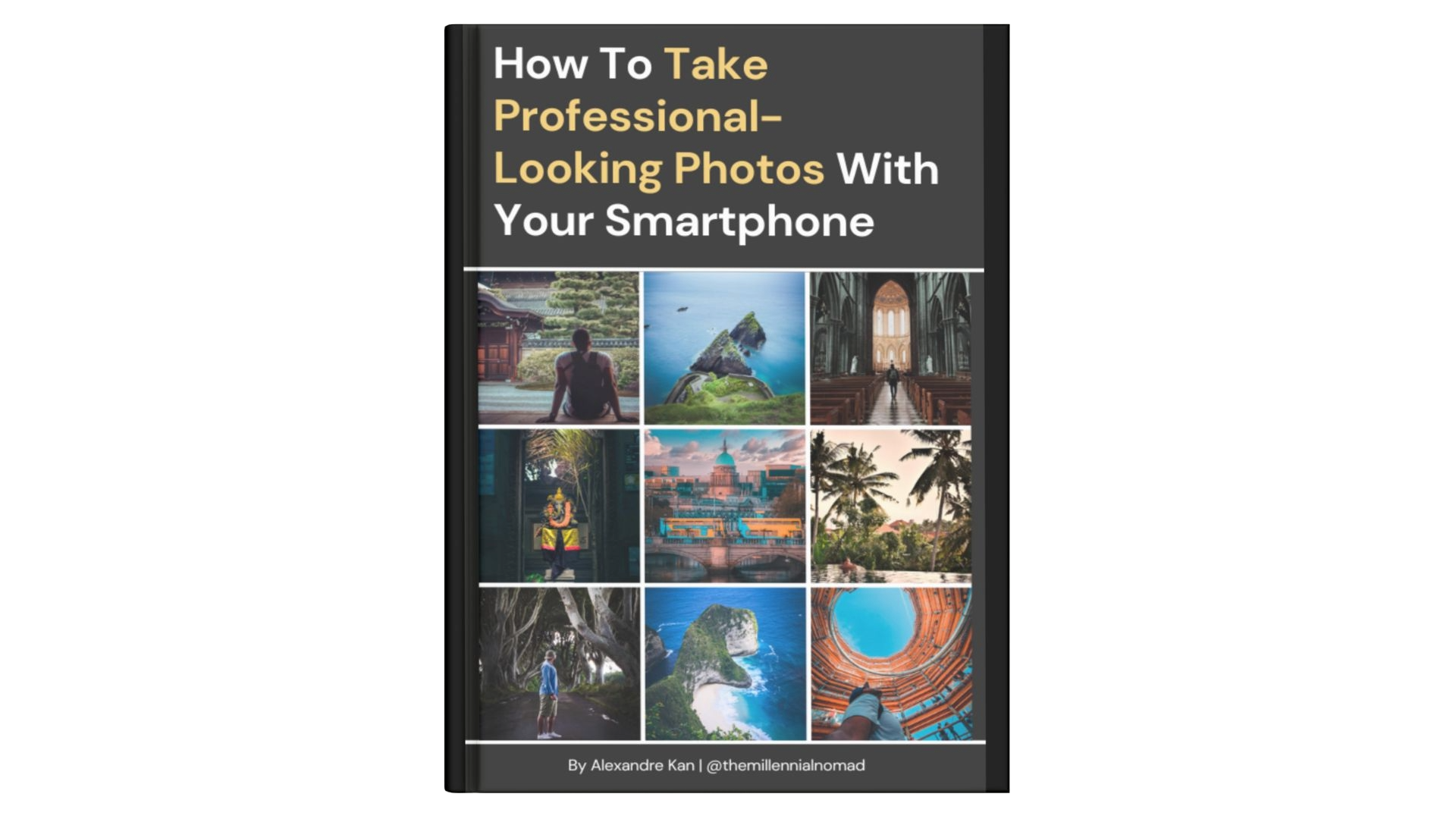
Capture the Magic: My Mobile Photography Mastery ebook is designed for parents who want world-class photos and travel photos without lugging around a heavy DSLR.
Safe travels, fellow nomad. See you on the road.
PIN ME