We just returned from three intense, beautiful, and exhausting weeks in Japan and South Korea. If you’ve been following TheMillennialNomad, you know I value intentional freedom. But Japan, with a 4-year-old, a 7-year-old, and a wife who was eight weeks pregnant, was the ultimate stress test!
Japan is often portrayed as a seamless, high-tech wonderland. While that’s true on the surface, the reality for families is a bit more nuanced. We walked over 15,000 steps a day, navigated station labyrinths, and handled a mid-trip hospital emergency room visit the night before our flight to South Korea.
Looking back, there are five specific mistakes I made that I want to share so your Japan family adventure is smoother than ours.
1. The "Speedrun" Trap: Moving Too Much
Our itinerary took us from Tokyo to Osaka, Kyoto, and back to Tokyo. On paper, the Shinkansen makes this look easy. In reality, moving a family of four between cities every few days is a logistical heavy-lift. By the second week, the "transit friction" was visible on everyone’s faces.
The Lesson: If I were to do it again, I would stick to one or two hubs. Japan rewards "slow travel." Instead of checking off three cities, stay in one for two weeks and do day trips nearby. Your kids (and your back) will thank you.
2. Choosing "Residential" Apartments Over Central Hotels
In Tokyo and Osaka, we opted for residential apartments to get that "local feel" and a kitchen. However, these were often a 15–20 minute walk from the nearest station. When you're carrying heavy gear and a tired toddler, that "local walk" feels like a marathon.
The Strategy: Use Booking.com to find hotels centrally located near major stations (like Shinjuku or Shin-Osaka). You’ll get the amenities you need, breakfast is often included, and you won't have to navigate a 20-minute walk at the end of a long day.
3. Underestimating the "Hidden" Sugar and Salt
We expected Japanese food to be the healthiest part of the trip. The mistake? Thinking our kids would eat rice and grilled fish every day. In reality, Japanese "kid-friendly" food is often very sweet; even the omelettes (tamagoyaki) and meat sauces have a high sugar content because sweetness is viewed as a fundamental balancing agent rather than just a dessert flavour.
Examples of Sweet "Savoury" Foods
Tamagoyaki: Recipes often call for up to one tablespoon of sugar per three eggs to achieve a custard-like, caramelised finish.
Meat Sauces (Teriyaki & Hamburg): These rely on sugar or mirin (sweet rice wine) to create the signature glossy, addictive glaze that kids love.
Sushi Rice: Traditional sushi rice contains significant sugar to balance the acidity of the vinegar.
We also experienced the dark side of "eating out" when both my son and wife suffered from food poisoning.
The Fix: We survived thanks to 7-Eleven smoothies (the only consistent source of fibre) and doing our own grocery shopping at local supermarkets to cook basic meals. If you’re travelling to Japan while pregnant, be extremely cautious with raw or undercooked foods.
4. Overpacking and Ignoring the "Yamato" Hack
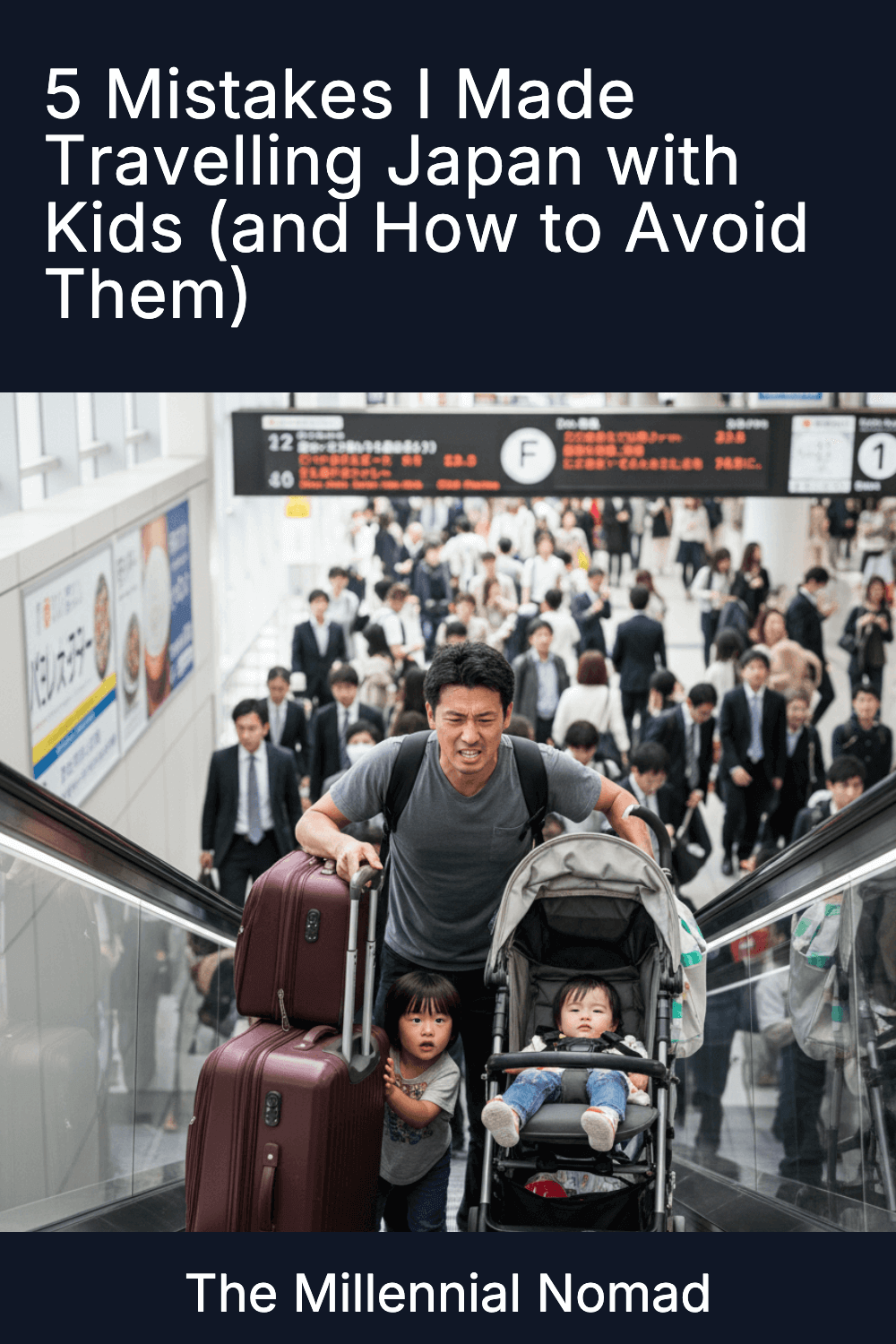
I carried way too much manual weight in the beginning. Navigating the subway with kids and large suitcases is a recipe for burnout.
The Game-Changer: We eventually discovered the Yamato (Black Cat) luggage forwarding service. You can drop your bags at a 7-Eleven or your hotel front desk, and they will ship them to your next destination for about €15 within 24h. Travelling between Tokyo and Osaka with just a backpack and free hands for your kids is a game-changer. Less hassle and more freedom to enjoy the journey and little moments.
5. Not Having a "Health Buffer"
When my wife woke up nauseous and vomiting in Tokyo, the trip ground to a halt. We ended up at St. Luke’s International Hospital for an emergency consult, an IV, and blood tests. Because we had a Revolut Metal subscription, which includes travel and medical insurance for all family members, we had an emergency travel fund that allowed us to pay the €1,000 upfront without panic.
Safety Tip: If you are departing from the EU and your flight is delayed over 3 hours (like our 3-hour layover in Abu Dhabi), remember that European Law (EC 261/2004) entitles you to compensation. Use a service like AirHelp to claim up to €600 per person.
Conclusion: Is Japan Worth It with Kids?
Despite the soreness and the sick days, seeing my kids’ eyes light up at the Tokyo Disneyland fireworks or teaching them how to behave at a Shinto temple made it all worth it. Japan is a bootcamp for parents if you overplan, but with the right systems, it’s a memory-maker like no other.
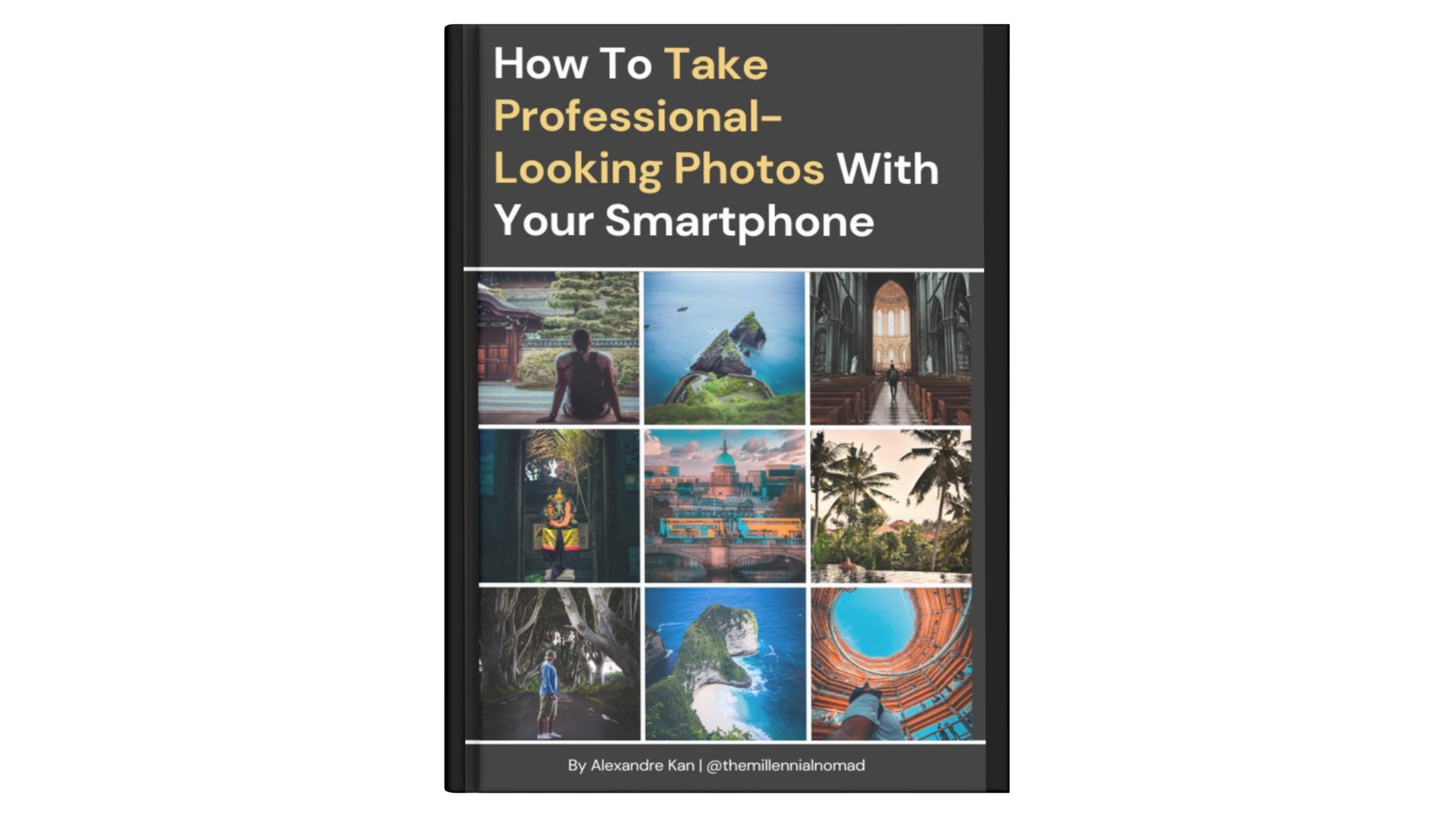
If you want to make sure your next trip is captured perfectly without the stress of carrying a "real" camera, check out my Mobile Photography Mastery ebook. It’s exactly how I shot the photos for this guide using just my phone.
Safe travels, and remember: slow down, stay central, and always use the luggage forwarding.







PIN ME
Discover the difference between Google NotebookLM and Gemini and how to combine them to build a personalized AI travel agent. Learn the exact workflow to sync your flights, hotels, and itinerary for stress-free family travel.